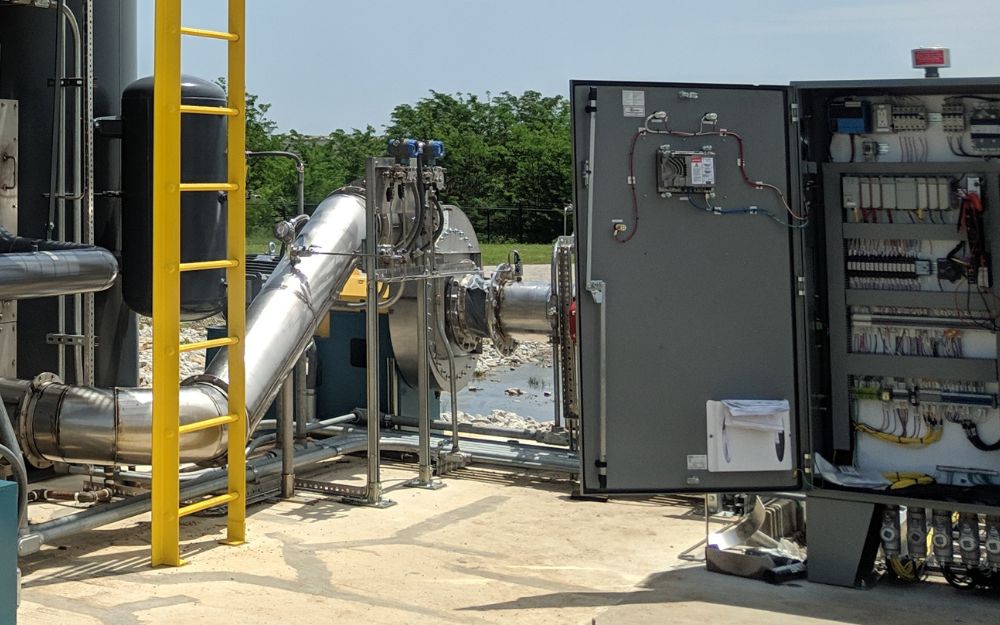
When your control system is decades old, you can lose thousands of dollars in lost productivity, unnecessary energy consumption, and system inefficiencies. What’s more, you’re missing out on technology advancements that can pay big dividends both short and long term.
When is it time to upgrade your industrial control system?
Key considerations include:
- System reliability is poor due to controls-related issues
- An upgrade would result in major energy savings
- Your system is obsolete, or your software version is no longer supported
- Replacement parts are hard to find or increasingly costly
- If other plant upgrades are planned
Benefits of Upgrading
Today’s industrial control systems offer exceptional capabilities to monitor, analyze, control, protect, and improve processes in almost every industry. While process system reliability is usually the biggest improvement sought, many other important benefits exist. Newer automation systems offer:
- Improved system reliability
- Improved system efficiencies
- Higher energy efficiency – especially if your system is more than 10 years old
- Better decision-making and communication – with more timely, integrated data at their disposal, operators can make better decisions, including faster, more accurate prediction of failures and maintenance needs
- Increased efficiency and time savings due to remote system capabilities and mobile access
- Increased safety and integrated safety functionality
- Increased competitiveness – state-of-the-art control systems can help you succeed in increasingly dynamic markets
At PolSys, we specialize in designing, engineering, and building custom industrial control systems for a wide array of industries and applications. We can start with an idea or a complete set of functional specs. Contact us at 713-999-1100 to learn more about how your facility can leverage the latest advancements in control technology.