Our #1 Tip for Operators of Thermal Oxidizers

Customers often ask us what they can do to help their air pollution control equipment operate more reliably for better production uptime in the future. Here’s our top answer.
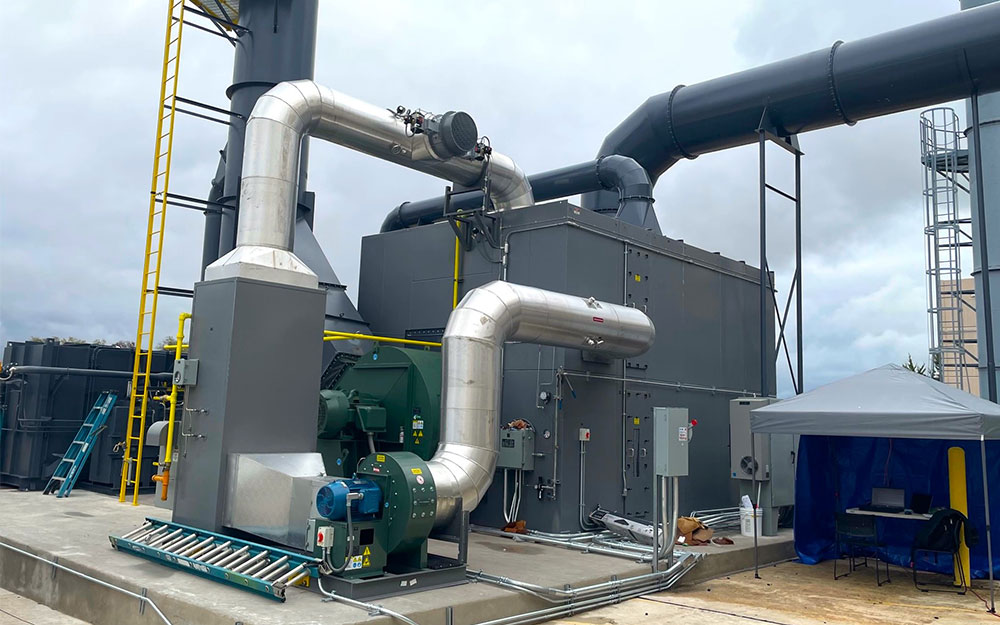
Thermal Oxidizer Installation
Customers often ask us, “What can we do to help our air pollution control equipment operate more reliably for better production uptime in the future?”

Of course, regular inspections and timely, proper maintenance are important. However, our #1 tip for “future-proofing” your equipment (and production line) these days is to upgrade aging control systems.

Why Upgrade?

Gone are the days when you can afford to operate thermal oxidizers, scrubbers, and other process equipment with outdated or manual controls.

  • Manufacturing is in the midst of a data-driven revolution, and competition has never been tighter.
  • The convergence of AI, the Industrial Internet of Things (IIoT) and operational technology (OT) is driving huge gains in operational efficiency, reliability, and visibility.
  • Ever-changing market conditions demand higher production flexibility.
  • Emissions regulations are growing more stringent and heavily enforced.
  • What’s more, many popular legacy controls platforms are becoming obsolete. (Who wants to spend time sourcing critical parts on eBay?)

If your thermal oxidizer or scrubber relies on aging controls, you may soon be left behind.

It’s Easier and Less Expensive Than You Think.

The good news is that upgrading your industrial control system doesn’t have to break your budget. It doesn’t have to mean unplanned downtime, and it doesn’t have to put your data at risk.

At PolSys, we specialize in high-quality, cost-effective, secure control system upgrades for air pollution control equipment – in fact, no one in the industry has more experience with these types of control systems. We service all system makes and models, and our unique combination of experience gives our customers the critical edge they need for high uptime and market competitiveness today and in the future.

Take the first step with an evaluation of your system’s current controls. Let’s talk.
Related Articles

5 Tips for Choosing the Best Thermal Oxidizer Manufacturer

As an impartial service company that works on all makes and models of equipment, we’re often asked which manufacturer’s oxidizer system is “best.” The answer depends on several factors.

Is Your Plant Ready for a Hurricane? FEMA Tips

While each storm is unique, here are some fundamental steps based on FEMA guidelines that you can take to reduce risks of flooding, high winds, power outages, and other disruptions.

Related Case Studies

Control System Upgrade Ends RTO Shutdowns for Chemical Plant

A major chemical manufacturer operating 24/7 faced frequent shutdowns due to a failing legacy control system on their Regenerative Thermal Oxidizer (RTO). These disruptions led to costly permit violations and production losses. To address these critical issues, we delivered a fast, customized control system upgrade that significantly improved reliability, compliance, and overall operational efficiency.

RTO Control System Upgrades for Fortune 100 Auto Manufacturer

A global Fortune 100 automotive manufacturer faced major operational challenges due to outdated PLC and HMI hardware in their 4 Regenerative Thermal Oxidizers (RTOs). These legacy systems not only risked future manufacturer support but also contributed to unplanned downtime and inefficiencies. Read how our turnkey control system upgrade delivered robust, reliable performance—minimizing downtime, improving responsiveness, and streamlining operations.

RTO Upgrade Restores Performance for Engine Manufacturer

When a Fortune 100 engine manufacturing facility in the Southwest brought in PolSys for routine RTO and Zeolite Concentrator training, our field engineer uncovered critical system failures—including a plugged pressure transmitter and degraded components—that had gone unnoticed for months. This case study reveals how expert insight prevented costly downtime and restored regulatory compliance.