Control Systems: Small Issues That Cause Big Problems

Even "minor" control system issues—like clogged filters, loose connections, etc.—can shut down production. Our Sr. Controls Engineer describes five “easy-to-miss issues” that he often finds.
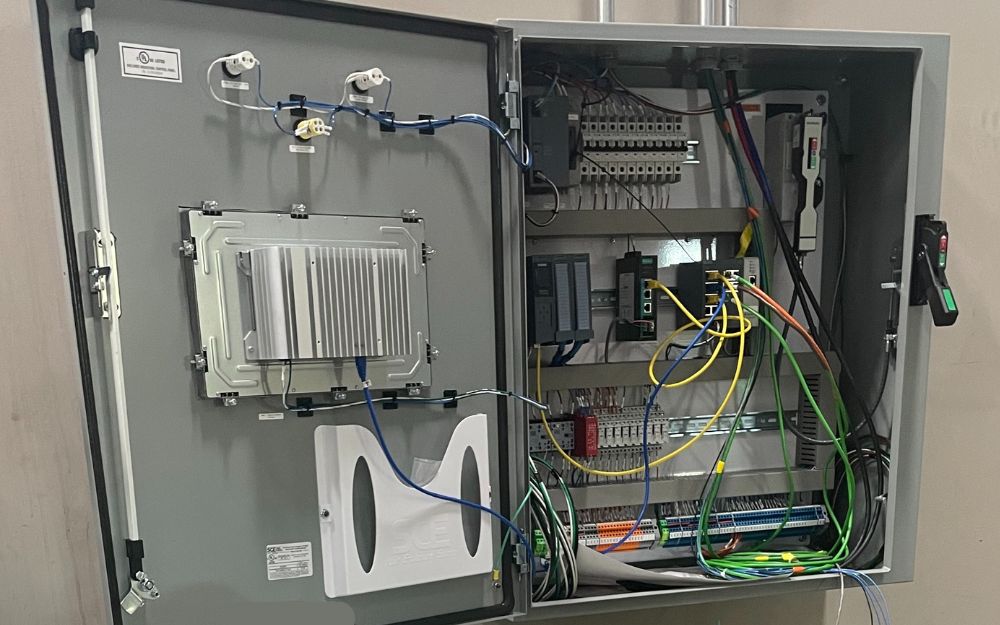
Open Control Panel
The last thing any manufacturer needs is for a production line to go down thanks to something as mundane as a clogged filter causing a panel to overheat and shut off a VFD. A good way to prevent this is to have your control system inspected by an experienced professional who knows exactly what to look for – and what is overlooked by many in-house maintenance personnel. We asked our Senior Controls Engineer for the “easy-to-miss” issues he most commonly finds when he inspects control systems, and here’s what he told us:

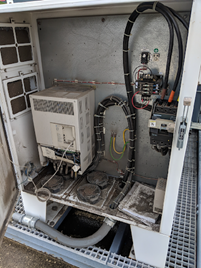
  1. Clogged filters. Filters should be checked and replaced regularly. Over time, they can plug up, causing overheating issues. Alternatively, pieces of the filter can break off, allowing unfiltered air from the fan to enter the panel.
  2. Loose terminal block connections. Loose connections in power distribution and I/O panels are often invisible to the naked eye. Anywhere you have loose terminals, you have the potential for arcing and higher temperatures, so it’s helpful to use a thermal camera when checking them. Tightening connections on a regular basis, during inspections, can prevent future outages. Loose I/O connections can also lead to unpredictable machine or production line behavior and inaccurate data collection.
  3. Exposure to weather, oil, dust, and debris. It’s important to check carefully for evidence of potentially harmful intrusions to the panel. For example, maintenance personnel may add a conduit to hook up a device, then remove it and forget to plug the hole in the panel. The opening exposes everything inside the panel to dust, rain, dirt, and even insects.
  4. Obsolete (or hard-to-source) parts. This has been compared to a “ticking time bomb” for some older systems. Many popular platforms are being phased out or are no longer supported by the manufacturer, and some important components – like certain VFDs and PLCs – are virtually obsolete. Sourcing legacy parts for some makes and models has become costly, time-consuming, and difficult. Now may be the perfect time to upgrade preventatively, before sudden downtime becomes an issue.
  5. Inadequate system features for uptime needs. For facilities where every second of downtime matters, quickly pinpointing issues with the control system is vital. Newer PLC models offer advanced features that make troubleshooting easier, such as better alarm handling and descriptions. They can also improve operational efficiencies with features like adaptive poppet valve cycle time (for RTOs) which self-corrects thermal imbalances. New PLC models also offer more availability for data collection, providing real-time KPI’s for everything from PMS management to business analytics.

When was the last time you had your control system inspected? Let one of our expert technicians ensure it’s in good health and in satisfactory operating condition. We’ll recommend any repairs and, if desired, we can provide your maintenance team with a preventative maintenance checklist tailored to your needs.

Dirty Open Control Panel

Related Articles

How to Troubleshoot Your PLC: 10 Pro Tips

Unfortunately, troubleshooting a PLC that won’t communicate effectively with other devices can be challenging, time-consuming, and costly. So where should you start and what steps should you follow?

Time to Upgrade Your Control System?

When budgets are tight, it can be tempting to repair aging industrial controls instead of upgrading them to today’s robust systems. However, not upgrading your system can be more costly in other ways.

Related Case Studies

Control System Upgrade Ends RTO Shutdowns for Chemical Plant

A major chemical manufacturer operating 24/7 faced frequent shutdowns due to a failing legacy control system on their Regenerative Thermal Oxidizer (RTO). These disruptions led to costly permit violations and production losses. To address these critical issues, we delivered a fast, customized control system upgrade that significantly improved reliability, compliance, and overall operational efficiency.

RTO Control System Upgrades for Fortune 100 Auto Manufacturer

A global Fortune 100 automotive manufacturer faced major operational challenges due to outdated PLC and HMI hardware in their 4 Regenerative Thermal Oxidizers (RTOs). These legacy systems not only risked future manufacturer support but also contributed to unplanned downtime and inefficiencies. Read how our turnkey control system upgrade delivered robust, reliable performance—minimizing downtime, improving responsiveness, and streamlining operations.