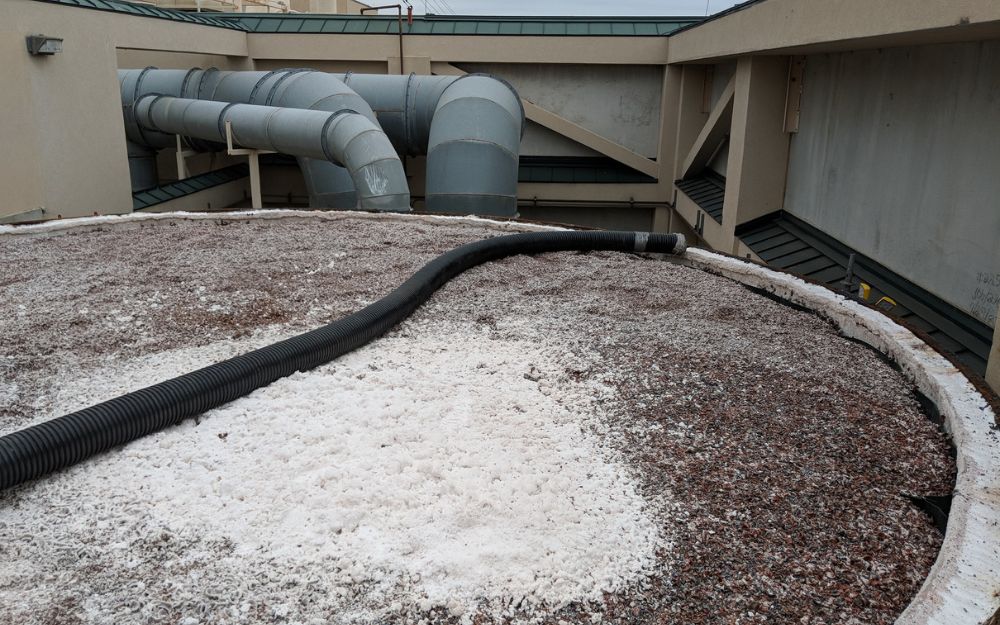
Over time, ceramic saddles (or tower packing) in a Regenerative Thermal Oxidizer (RTO) often become plugged, fragmented, or otherwise damaged, reducing reliability and system energy efficiency – which increases operating costs and notably impacts production uptime. Wash-outs or bake-outs may diminish the issue temporarily, but these measures will not restore the media’s original performance or prevent the possibility of catastrophic system failure. Particulates or condensate fouling as well as the gradual degradation of the media itself may eventually render the RTO system inoperable. At some point, replacing the media may be the only viable option for restoring your RTO to its full flow capacity and functionality.
How do you know when it’s time for new media?
Many times, plant personnel do not have the specialized knowledge or experience to determine if ceramic media beds should be repaired or replaced. Maintenance crews may see symptoms but not recognize them as signs for concern until a major system disruption occurs.
Telltale signs that a ceramic media change should be considered include (but are not limited to):
- High pressure-drop (static losses) across the media beds, likely indicating that the media bed is fouled or that the media has incurred physical damage
- Temperature changes across the media beds, which may indicate channeling
- Burner operating near its maximum fire rate
- System fan running at the top of its speed/capacity
- Increased consumption of fuel over time
- Inability of the RTO system to remove emissions from process areas or machinery (smoke)
Why are these key indicators?
Each time a process gas stream containing particulate matter enters the RTO, a portion of those particulates can collect within the media bed or reactor chamber. Ultimately, this buildup will begin to plug the bed and block airflow. Some volatilized or organic silicates may also form solids (siloxanes or SiO2) when oxidized (burned) creating similar fouling in the media beds. These process conditions manifest as a rise in pressure drop, forcing the fan to work harder and consume additional energy. “Dead zones” make the RTO less effective at transferring heat, thereby reducing thermal efficiency and system flow. Some condensable or particulate fouling may also present a potential fire hazard.
The quantities of system fouling and the rate at which media deterioration will occur depends heavily on the process gas stream’s particulate or condensable loading, chemical composition, and system maintenance. Applications with long-carbon chain aerosol VOCs like paint can be particularly harmful to ceramic media, as are applications with silicone or siloxanes (see photo). Deposits from the particle or condensable fouling may seriously impede the RTO’s performance over time and necessitate a media change.
Alternatively, applications with alkali, fluorine or heavy metals can attack ceramic media, cracking it and breaking down the media bed.
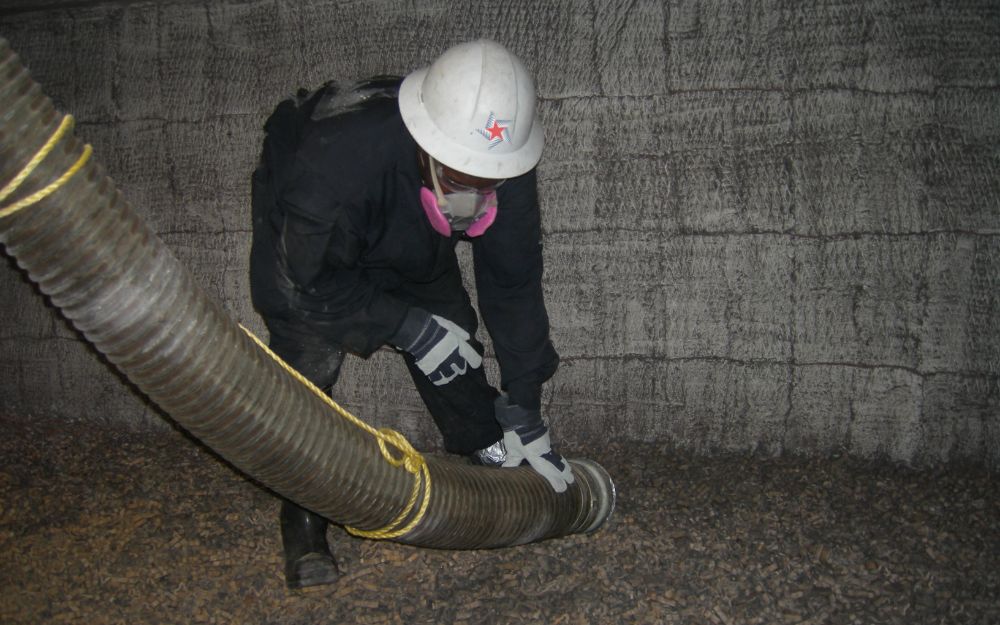
Let our experienced Field Engineers and Field Technicians evaluate your RTO’s media before it causes issues. If we determine a media replacement is needed, we can provide a turnkey solution with minimal (if any) production downtime, including removal of old media and the identification, supply, and installation of suitable new media on-site at your location.