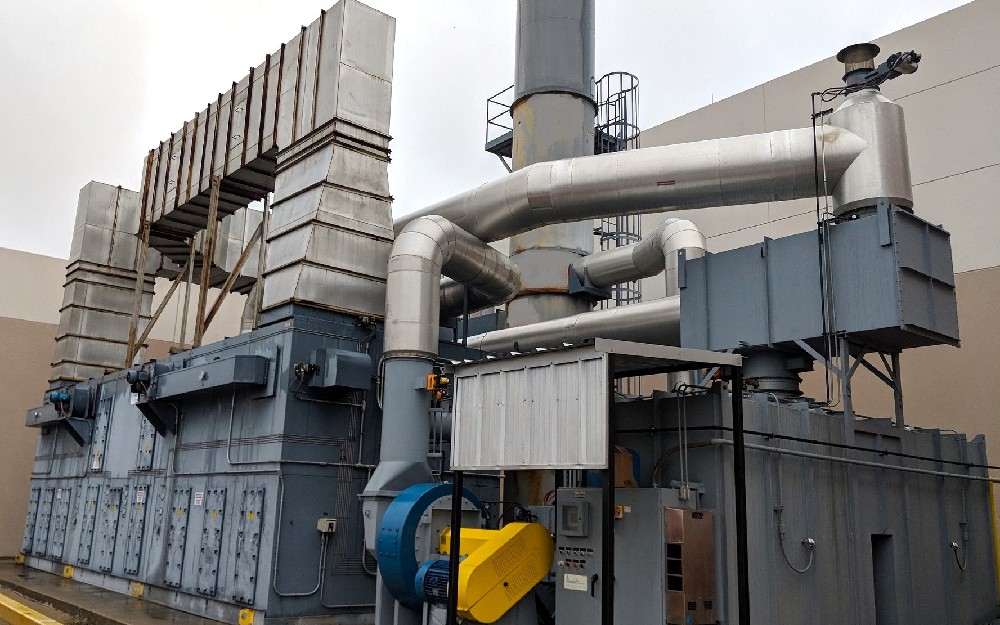
RTOs (Regenerative Thermal Oxidizers) are popular in a range of industries but aren’t always well understood by operators and maintenance staff. It’s not uncommon for maintenance teams to have to spend so much of their time focusing on production equipment that onsite air pollution control systems become almost an afterthought. Routine maintenance activities are then improperly attended to or even overlooked until it is too late.
Unfortunately, as a system ages, even a small decrease in thermal efficiency can add tens of thousands of dollars in operating costs. If key system metrics are not tracked, costs can spiral out of control and what would have once been a system repair becomes a replacement.
The more you, your operators, and your maintenance team know about your oxidizer system, the better production uptime, safety, and air permit compliance your facility can achieve. For example, do you know answers to the following:
- What is the average thermal efficiency of an RTO?
- What is “the puff” and how does it affect destruction efficiency range (DRE)?
- When does it make sense to add a concentrator?
- How much should an RTO cost to operate? What variables affect cost?
- What is the difference in DRE between an RTO and thermal oxidizer?
- What features most impact an RTO’s overall reliability?
Get the facts. Learn more about how RTOs work and consider scheduling a customized Staff Training session.